
Bearing Damage & Condition Assessment
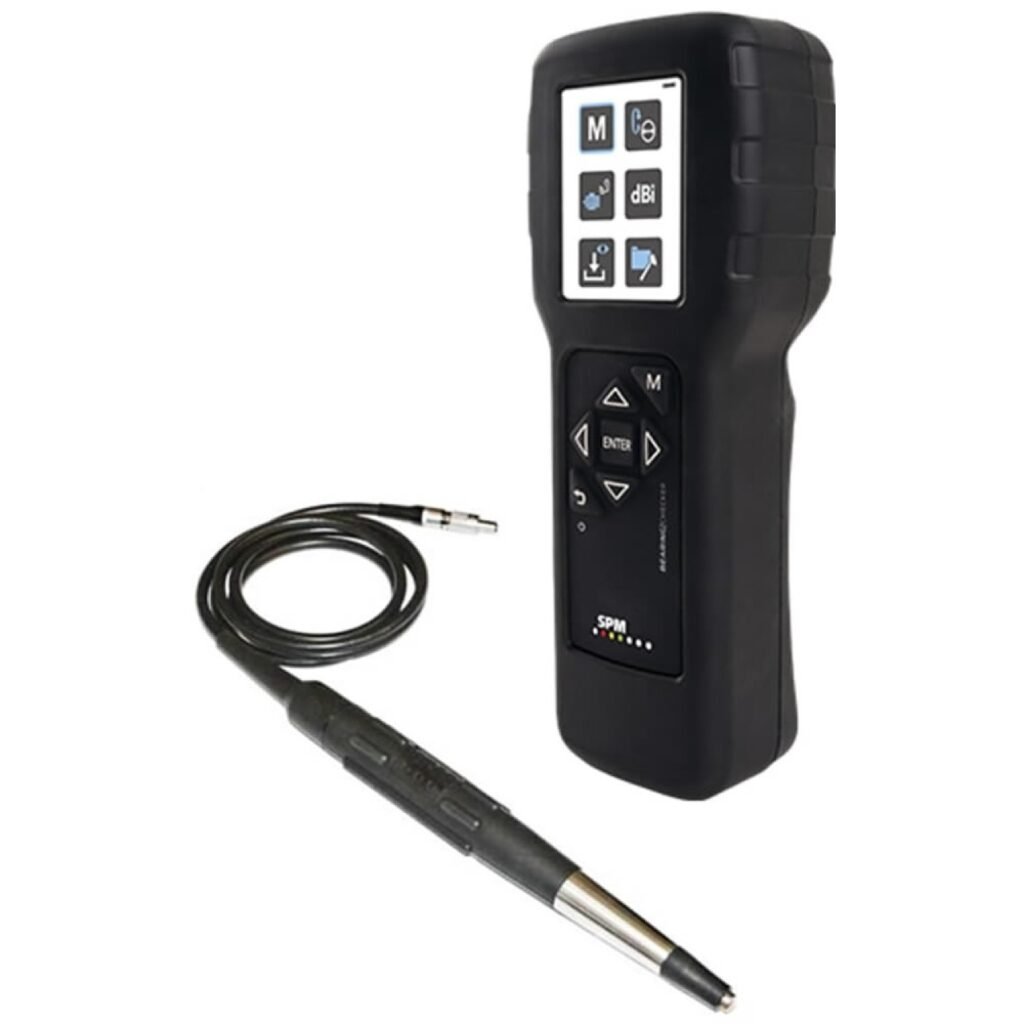
Protecting Industrial Equipment with Advanced Bearing Health Insights
Rolling element bearings are critical components across industrial applications—from gearboxes and motors to fans and pumps. When a bearing begins to fail, the consequences can be costly: unplanned downtime, equipment damage, reduced efficiency, and significant maintenance expenses. Understanding how bearing damage develops—and having the right tools to detect it early—is essential for any reliability or maintenance program.
Common Causes of Bearing Damage.
1. Lubrication Issues
Improper lubrication is the leading cause of premature bearing failure. Too little lubricant increases friction and heat, while too much can cause churning, overheating, and early degradation. Contaminated or incompatible grease further accelerates wear.
2. Contamination
Particles such as dirt, metal fragments, moisture, or chemicals can enter a bearing and create abrasive wear. Even microscopic contaminants can lead to pitting, scoring, and eventual bearing seizure.
3. Misalignment & Installation Errors
Misaligned shafts, incorrect mounting, or improper seating can create uneven load distribution and excessive vibration—ultimately damaging raceways and rolling elements.
4. Electrical Damage (EDM)
Stray electrical currents can pass through the bearing, causing tiny weld points on the raceway. Over time, this creates fluting patterns and rapid degradation, especially in motor applications.
5. Mechanical Fatigue
Even under ideal conditions, bearings naturally wear over time. Fatigue damage appears as spalling, where small flakes of material break away from the surface due to repeated stress cycles.
The Importance of Early Detection
Unnoticed bearing defects tend to worsen quickly, and failure often occurs without significant warning signs until it’s too late. Early identification allows maintenance teams to:
Schedule repairs instead of reacting to breakdowns
Extend equipment service life
Reduce lubrication and replacement costs
Prevent catastrophic failures and safety risks
Optimize overall reliability and performance
Traditional monitoring methods—such as visual inspections, temperature readings, and vibration analysis—provide partial insight. But they often detect issues only after significant damage has already occurred.
Introducing the Bearing Checker
Fast, Accurate Assessment of Bearing Health in Industrial Equipment
Our Bearing Checker is a compact, powerful condition-monitoring tool designed specifically to evaluate the health of rolling element bearings in:
- Gearboxes
- Motors
- Fans
- Pumps
Whether used by maintenance teams, reliability engineers, or field technicians, it provides a quick and reliable picture of bearing condition—without complex setup or specialised training.
How the Bearing Checker Works
The Bearing Checker combines advanced signal processing with impact and vibration measurements to detect early-stage bearing defects. By analysing characteristic frequencies and surface responses, the device identifies issues such as:
- Outer race and inner race defects
- Rolling element damage
- Cage failures
- Lubrication deficiencies
- Surface fatigue and wear patterns
Results are displayed in a simple, user-friendly format, indicating whether the bearing is Good, Suspect, or Damaged—making it easy for maintenance teams to act with confidence.
Key Benefits
✔ Early Fault Detection
Identifies developing bearing issues long before they manifest through noise, heat, or vibration.
✔ Quick, On-the-Spot Testing
Portable and easy to use—ideal for routine inspections, troubleshooting, and preventive maintenance rounds.
✔ Reduces Unplanned Downtime
Predictive insights help maintenance teams plan repairs and avoid sudden equipment failures.
✔ Improves Reliability Across Assets
Ensures that critical equipment—from high-speed motors to heavy-duty gearboxes—continues running at peak performance.
✔ Cost-Effective Maintenance
Avoids unnecessary bearing replacements while minimising catastrophic failures and secondary equipment damage.
Applications Across Industries
The Bearing Checker is used widely in:
- Manufacturing and processing plants
- Oil & gas facilities
- Power generation
- HVAC and building systems
- Water and wastewater treatment
- Mining, aggregates, and materials handling
- Any operation that relies on rotating machinery benefits from accurate, fast, and reliable bearing assessments.
Enhance Your Reliability Program Today
Understanding bearing health is one of the most effective ways to reduce downtime and extend equipment life. Our Bearing Checker gives you the power to diagnose issues quickly, confidently, and cost-effectively—no complex vibration analysis or training required.